11 December 2025,
Thursday


11 December 2025,
Thursday

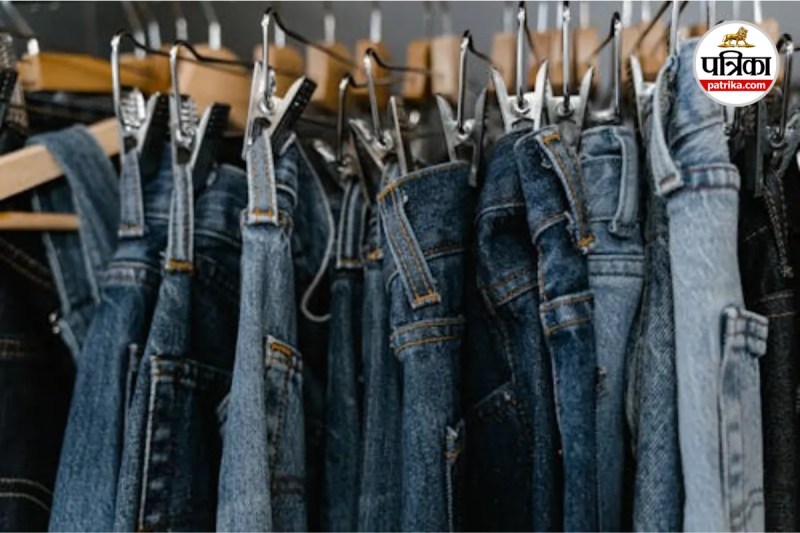
Fast Fashion Pollution Crisis (Image: Freepik)
Fast Fashion Pollution Crisis: The world of fashion, as colourful as it appears, has a much deeper reality behind it. Billions of litres of water are wasted every year, millions of tonnes of waste are generated, and microfibers reach our bodies. It is now time for India to move towards 'Sustainable Fashion' instead of 'Fast Fashion'.
Fashion, once considered a way to express new ideas and present oneself well, has now become a cause of increasing pollution on Earth. Changing trends every season have made fashion cheap and disposable; this is fast fashion. The process of making clothes is poisoning our rivers, polluting the air, and the environment bears a burden for every single thread produced. Fashion is no longer just a matter of style; it has become a serious global issue connected to the Earth, water, and human life. India should now focus on 'Green in India' along with 'Make in India'.
The global fashion industry uses 79 billion cubic metres of water annually. It takes approximately 2,700 litres of water to produce one T-shirt and about 7,500 litres to produce a pair of jeans. This industry accounts for 20% of global industrial water pollution, 8-10% of greenhouse gas emissions, and generates 92 million tonnes of textile waste each year.
India, meanwhile, is the third-largest textile exporter in the world. The textile industry contributes 2% to the country's GDP and provides employment to over 35 million people. However, amidst these achievements, chemical colours, dyes, and synthetic fabrics are polluting our water sources and soil.
The pollution from fashion is not limited to the purchase of clothes. Microfibers released from synthetic fabrics during washing are reaching rivers and oceans, harming marine and human life. Microfibers are now dissolving with salt and drinking water, reaching our blood and lungs. Experts say this can increase diseases like hormonal imbalance, heart disease, and cancer.
India can turn this problem into a solution. If the fashion industry adopts recycling, sustainable fibres, natural dyes, and water-saving technologies, pollution can be significantly reduced. By 2050, 75% of fashion industry factories could be located in water-scarce regions, including India, China, and Pakistan. Therefore, it is time for us consumers to also show wisdom, buy less, and choose better things.
1. Catwalk Protest in London
In 2019, the environmental group Extinction Rebellion staged a unique protest in London's Oxford Circus. They held a pink catwalk on the street to demonstrate against 'disposable fashion'. Their message was: "Buy less, demand more."
2. Greenpeace Protest in Berlin
In February 2024, Greenpeace staged a protest in front of the Brandenburg Gate in Berlin, creating a massive pile of clothes to protest against fashion brands dumping textile waste in Africa. They highlighted how European countries are disposing of their old clothes in African nations under the guise of 'recycling'.
3. Workers' Protest in Italy
In October 2024, leather industry workers in Italy protested demanding better working conditions and fair wages. This movement shows that the crisis in the fashion industry is not limited to the environment but is also linked to human labour and social justice.
Big News
View AllLifestyle News
Trending
Health